
loader image
DESIGN TALK
On Disrupting The Mundane

By Alexandra Radifera

© Anne Kim Photography

At the beginning of 2020, Michael and I decided to start our own design practice. Then February came along, and the whole world shut down. Finding ourselves in a Pandemic, it almost seemed that we chose the completely wrong time to start a business. But the more we worked, the more we learned that our vision – PARADIGM office – may have actually come along right on time. It was coincidental that we wanted our practice’s motto to be “Disrupting the Mundane,” as 2020 has literally been a year when everything was disrupted.

“What comes out of PARADIGMoffice boils down to the love and passion we feel for what we do and who we do it for, and no pandemic can take this love away from us!”

The initial shock of our new reality was a bit difficult to grasp during the first couple of weeks into all of it, but I can confidently say that I think we handled it quite well! Once we had mastered Zoom, work continued on relatively normally and within a few months were able to begin sending invoices to current clients and take on new jobs. By March of 2020, we felt ready to make PARADIGMoffice official and had it registered in Washington, D.C. 

The name ‘PARADIGMoffice’ came to us because in the year 2020 we have experienced quite the paradigm shift. Not only throughout the world, but the world that is…was…our comfort zone. 2020 has been a year of commercial offices turning into home offices and remote working, finding positivity in strength within ourselves, being firm in our decisions, and working just as hard as we were planning to prior to such shifts.

As we enter the second half of the year and settle into this new and exciting endeavor, I have to admit that we are still extremely thrilled and anxious to see what comes next. We plan and are excited to continue to disrupt the mundane in order to elevate people’s lives as well as our own. In the end, what comes out of PARADIGMoffice boils down to the love and passion we feel for what we do and who we do it for, and no pandemic can take this love away from us.

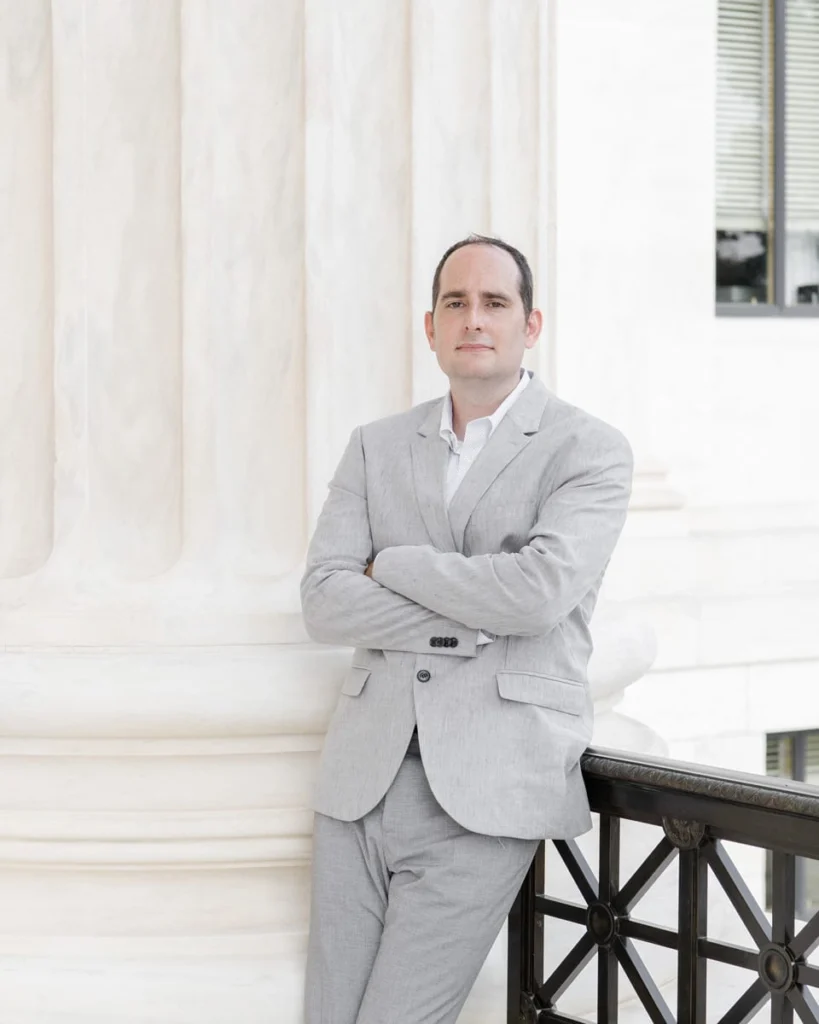
The Power of Good Design: How the Right Architect Elevates Daily Living

By Mercedes Afshar

© Anne Kim Photography

Architecture, at its best, is not about walls, roofs, or floor plans — it’s about life! It’s about the way the morning light filters into your bedroom and makes you want to linger for just a moment longer. It’s about the quiet corner that becomes your child’s favorite spot to read. It’s about the feeling of peace that washes over you when you step into a space that was designed not just for anyone, but for you.

Good design carries an energy that you feel long before you notice the details. It shapes how you move, how you gather, how you rest. The right architect listens closely to who you are, what you value, and what brings you joy, and then translates that into form and space. When done with care, design becomes an extension of your soul — a reflection of your story, your rhythms, and your dreams.

This is why thoughtful design changes more than your surroundings; it changes your daily life. A home filled with light and flow uplifts your mood. A kitchen that welcomes conversation draws people together. A window that frames a view of the trees becomes a reminder to breathe, to pause, to feel connected to something greater. These are not luxuries — they are the very elements that bring depth and richness to everyday living.

When we design, our passion lies in creating more than structures. We create places where memories are born, where families grow, where people heal, and where life unfolds with grace and meaning. That is the true power of architecture.

Good design is an act of love — love for beauty, for purpose, and for people. Because when a home is crafted with vision and care, it doesn’t just shelter you. It inspires you, nourishes you, and elevates every moment of your life.

Common Mistakes People Make Without an Architect (and How to Avoid Them)

By Michael Fischer

© Anne Kim Photography

When people think about building or renovating a home, it’s natural to focus on the excitement of finishes, layouts, and style. But too often, homeowners try to move forward without involving an architect, and the results can be costly, stressful, and disappointing. Having worked on projects of every scale, I’ve seen firsthand how the right expertise prevents these missteps and ensures a smooth process from start to finish.

1. Underestimating Costs
Without an architect, many clients dive into construction with incomplete or unrealistic budgets. This often leads to surprises mid-project when expenses begin to exceed expectations. A good architect anticipates these variables, provides clarity early, and helps align design goals with financial realities.

2. Overlooking Functionality
Beautiful renderings don’t always translate into spaces that work well day to day. Homeowners who bypass architectural planning often end up with layouts that look appealing but lack flow, flexibility, or practicality. An architect ensures that design not only looks good, but also supports how you actually live.

3. Running Into Permit and Code Issues
Building regulations are complex and vary from place to place. Without professional guidance, clients may face costly delays or need to redo work to comply with code. Architects are trained to navigate this process efficiently, saving both time and money.

4. Lack of Coordination With Builders and Consultants
Construction projects involve multiple players — contractors, engineers, consultants. Without an architect, homeowners are left trying to coordinate these efforts themselves. An architect serves as the hub of communication, ensuring that everyone is aligned and the project runs smoothly.

5. Missing Long-Term Value
Homes designed without architectural input may meet immediate needs, but they often fall short in longevity, resale value, and adaptability. Good design considers the future, creating spaces that evolve gracefully with you and add measurable value to your investment.

Avoiding these mistakes starts with having the right professional on your side from the beginning. At PARADIGMoffice, our role is not only to bring design vision to life, but to protect your investment, simplify the process, and ensure the end result exceeds expectations.

Your Builder Isn’t Your Architect: Why You Need Both

By Bertin Radifera

© Anne Kim Photography

After more than four decades in this profession, one truth has become very clear to me: builders and architects each bring extraordinary value to a project, but they do not replace one another. I’ve seen too many clients learn this the hard way — believing that a builder alone can carry the vision forward, or that an architect’s drawings are enough to get a building built. In reality, both roles are essential, and it’s the partnership between them that makes a project truly successful.

A builder is a master of execution. They know materials, construction sequencing, and the realities of the job site better than anyone. But builders are not trained to translate your needs, your brand, or your aspirations into space. That’s where architects come in. Architects listen, interpret, and imagine possibilities that haven’t yet been drawn. We are tasked with balancing beauty, function, compliance, and cost before the first shovel ever hits the ground.

In commercial office projects, I’ve seen how this distinction plays out time and again. A tenant improvement might look straightforward, but without careful architectural planning, the result is often a space that doesn’t perform — inefficient layouts, poor lighting, missed opportunities for flexibility. On the other hand, when an architect defines the vision and a builder executes it with skill, companies end up with workplaces that inspire productivity, attract talent, and stand the test of time.

The same is true in residential work. Builders can construct a house, but an architect designs a home that responds to how a family actually lives — where light enters in the morning, where conversations happen, and how spaces grow with time.

What I’ve learned is that a good architect doesn’t compete with the builder — we make the builder’s job clearer, smoother, and more efficient. Together, we protect the client’s investment, avoid costly mistakes, and deliver spaces that elevate daily life and work.

So when you begin a project, whether it’s a custom home or a commercial office building, don’t choose between an architect and a builder. Choose both. That partnership is where the real magic — and long-term value — happens.